Gamification has had a complicated relationship with education. The first wave of educational gamification in the early 2010s was largely superficial -- badges for completing modules, points for logging in, leaderboards that embarrassed low performers and bored high achievers. Many platforms added these elements without understanding the underlying psychology, and the results were predictably disappointing.
A more sophisticated understanding of game design and motivational psychology has since emerged, producing gamification approaches that genuinely improve learning outcomes rather than just adding a veneer of fun to otherwise uninspiring content. Here is what distinguishes effective gamification from decoration.
The Problem with Shallow Gamification
Shallow gamification operates on extrinsic motivation: points, badges, and leaderboards reward completion and activity volume rather than learning quality. The fundamental problem with this approach is that extrinsic rewards can actually undermine intrinsic motivation -- a phenomenon psychologists call the "overjustification effect."
When learners begin to perceive that they are completing modules "for the badge" rather than for genuine curiosity or growth, the badge becomes the goal and the learning becomes instrumental. Engagement may initially spike when rewards are introduced, but it typically decays quickly -- and learners who were intrinsically motivated before the gamification system was added often show reduced engagement after it.
What Game Designers Actually Know About Engagement
The most engaging games share a set of design principles that have little to do with rewards and everything to do with psychological needs. Games are engaging when they offer a clear sense of progress toward meaningful goals, provide immediate and accurate feedback on performance, present challenges calibrated to the player's current skill level, and make the player feel genuinely capable and in control.
These principles map directly to self-determination theory, one of the most robustly supported frameworks in motivational psychology. SDT identifies three universal psychological needs that drive intrinsic motivation: competence (feeling effective and capable), autonomy (feeling a sense of choice and agency), and relatedness (feeling connected to others). Effective gamification supports all three needs rather than substituting external rewards for them.
Mechanics That Actually Work
Several gamification mechanics have demonstrated consistent positive effects on learning engagement and outcomes when implemented well.
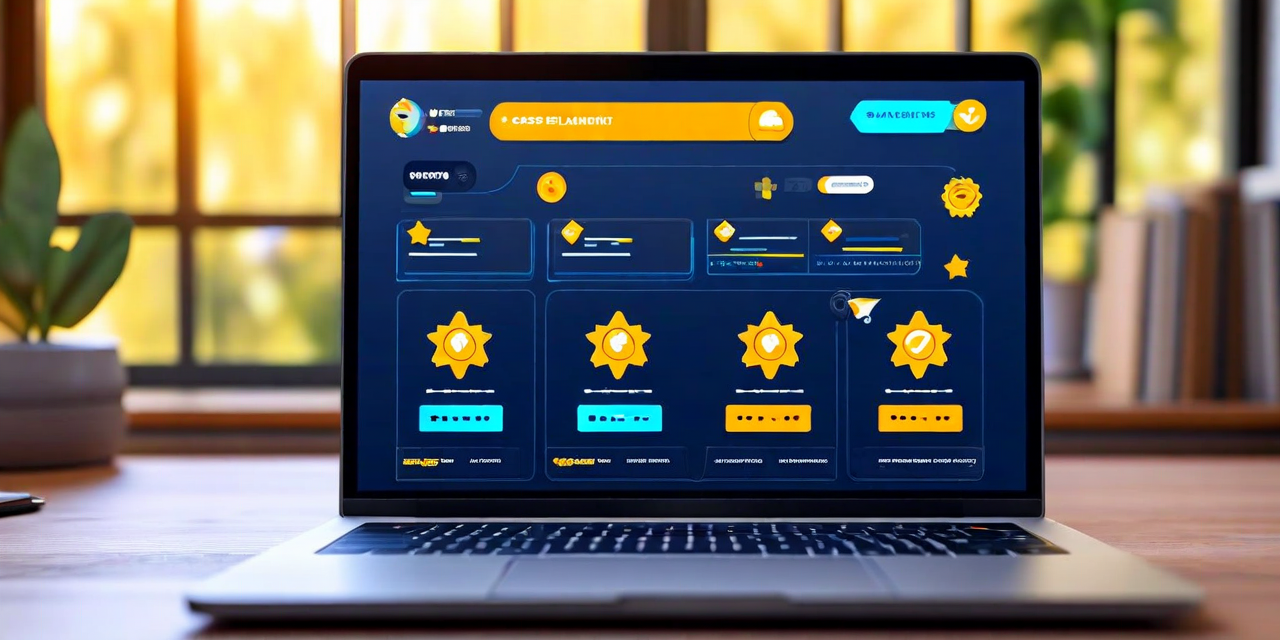
Progress visualization tied to competency, not completion. A skill tree that shows which capabilities a learner has mastered and which are available to unlock next is intrinsically motivating because it makes growth visible and personal. It supports the psychological need for competence in a way that a generic "Module 3 of 12 complete" progress bar does not.
Narrative and context. Framing learning content within a story or scenario gives it purpose and meaning. A compliance training module becomes a mystery investigation. A sales training exercise becomes a client conversation simulation. Narrative context activates the brain's meaning-making systems and improves both engagement and retention.
Mastery-based progression. Allowing learners to attempt challenges in areas where they have demonstrated competence -- and restricting access to harder challenges until prerequisite skills are demonstrated -- creates a natural intrinsic motivation cycle. The gate itself becomes a meaningful milestone.
Social mechanics built on collaboration rather than competition. Team challenges, peer learning assignments, and collaborative problem-solving all activate the need for relatedness. Competitive leaderboards, by contrast, are motivating only for learners near the top and actively demotivating for everyone else. Designing social mechanics around cooperation rather than competition reaches a broader portion of the learner population effectively.
Streak mechanics used judiciously. Daily learning streaks can build habit formation for learners who value consistency. But aggressive streak mechanics that create anxiety about missing a day are counterproductive. The goal is sustainable habit formation, not compulsive behavior. Platforms that allow "streak shields" or grace days tend to produce better long-term engagement without the burnout risk.
The Role of AI in Personalized Gamification
Just as AI enables personalized learning paths, it also enables personalized gamification -- matching motivational mechanics to individual learner profiles. Some learners are highly motivated by competition and respond well to leaderboards. Others find them anxiety-inducing and respond better to personal progress visualization. Some learners are social and energized by collaborative challenges. Others prefer solitary mastery pursuits.
AI-powered platforms can learn which motivational mechanics work best for each learner through behavioral signals -- engagement rates, session frequency, performance after different reward events -- and adjust the gamification layer accordingly. This personalized approach to motivation mirrors the personalization of content delivery and produces similarly improved outcomes.
Measuring Gamification Effectiveness
The ultimate test of any gamification system is whether it improves learning outcomes, not just engagement metrics. A learner who plays the gamified interface enthusiastically but retains nothing has not benefited from gamification. Measure learning effectiveness before and after gamification implementation, and track whether the gamification-driven engagement gains translate to genuine competency improvements.
Watch for signs of engagement without learning: high activity volume combined with flat or declining assessment scores, learners who optimize for badge acquisition rather than knowledge application, and social dynamics where leaderboard gaming replaces genuine learning effort. These patterns indicate that the gamification system is capturing learner attention without converting it into productive learning behavior.
Designing for Long-Term Motivation
The real test of a gamification system is not how it performs in week one -- when novelty drives engagement -- but how it performs in month six, when the novelty has worn off. Systems that rely entirely on novelty and extrinsic rewards typically show sharp engagement declines after initial spikes. Systems grounded in psychological need satisfaction maintain more durable engagement because they are supporting something genuinely valuable to learners.
The design question to ask is not "what will excite learners today?" but "what will still be motivating six months from now?" The answer consistently points toward competence-building, autonomy, and meaningful connection -- the foundations of intrinsic motivation that great games and great learning experiences share.
"Gamification works when it amplifies the inherent satisfaction of learning. It fails when it tries to substitute for it."
LearnPulse integrates thoughtful gamification mechanics -- progress visualization, mastery gates, and collaborative challenges -- into a platform designed around psychological principles of sustained motivation. Try it free and see the difference evidence-based engagement design makes.